
Faster Installs, Fewer Variables: How Click-In Technology Changes Deployment Time
Installation time used to be predictable. One system. One configuration. A known process. That’s no longer the case. As residential energy systems grow more complex,

Installation time used to be predictable. One system. One configuration. A known process. That’s no longer the case. As residential energy systems grow more complex,

When the grid goes down, everything happens at once. Lights flicker. Appliances shut off. Silence follows. What happens next depends entirely on how your energy

Global clean technology awards program selects NeoVolta for product leadership, market traction, and contribution to accelerating real-world energy storage adoption San Diego, CA — April

Solar batteries are no longer a niche add-on. They are becoming a core layer of modern energy infrastructure. Between 2026 and 2032, analysts expect the

Home batteries are moving out of utility rooms and into garages, exterior walls, and side yards. That shift makes sense. Modern homes are tighter on

When the Texas grid fails, the consequences are immediate. Heat stops. Water systems freeze. Homes go dark. Winter Storm Uri in 2021 exposed how fragile

Energy policy changes. Infrastructure decisions don’t. As federal and state energy incentives enter another period of review and adjustment, one theme continues to move forward:

Home batteries used to be simple. They were insurance policies. When the grid failed, they turned on. That framing still exists, but it no longer
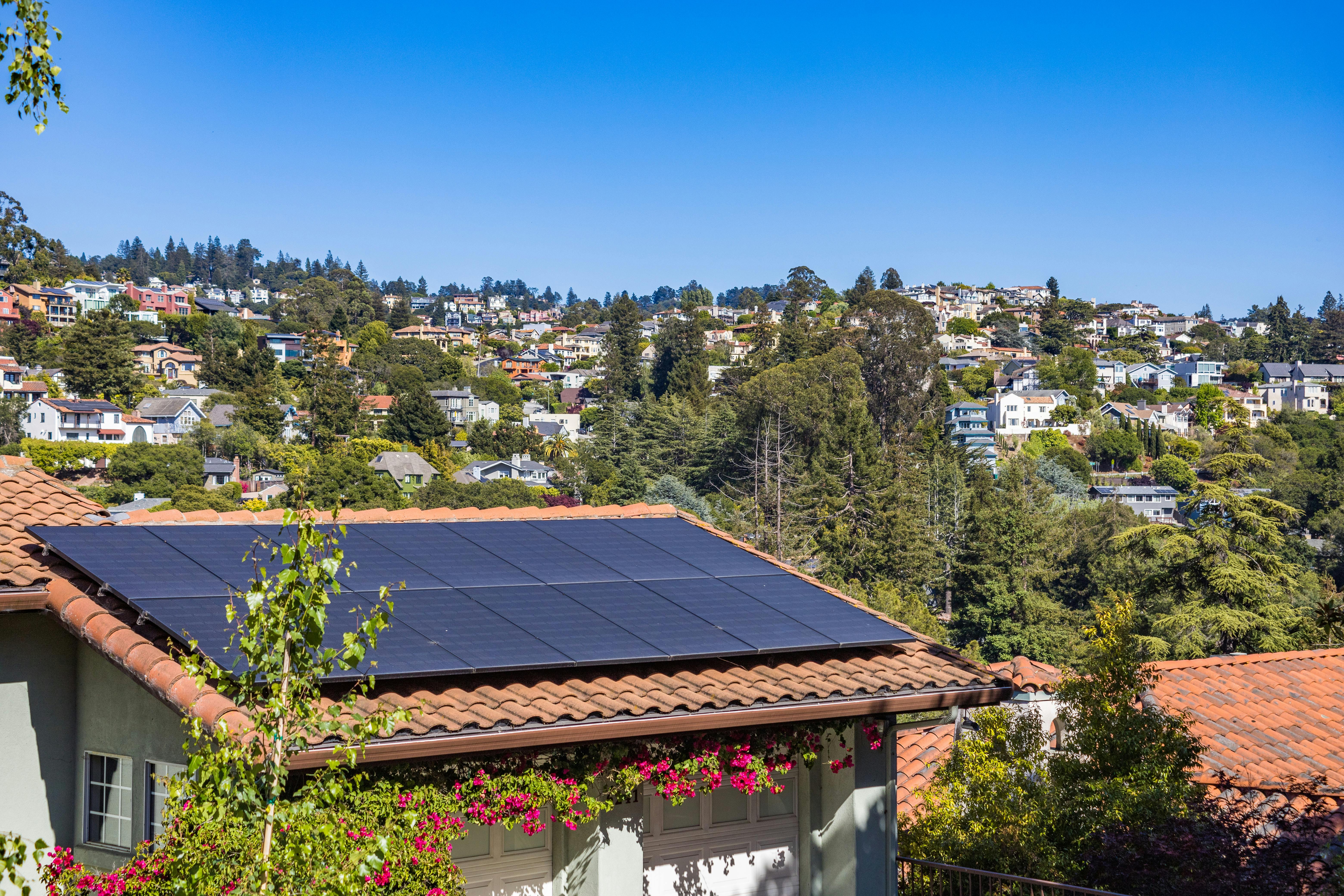
For years, residential energy conversations followed a familiar script. Solar came first. Storage came later. That order made sense when electricity was cheap, net metering

For years, solar conversations started with a simple promise: offset your bill, lower your costs, and let the sun do the rest. That promise isn’t